Consumer Rights
Your Rights Against the Shop and the Maker Are Not the Same Rights
A manufacturer's guarantee and a consumer's legal position against the seller run in parallel, and confusing them costs people remedies.
There is a settled way of talking about the difference between a guarantee and legal rights. It is worth asking how much of it survives contact with the detail.
The argument in brief
- A guarantee is an extra promise, usually from the manufacturer.
- Legal rights typically run against whoever sold you the item.
- A guarantee expiring does not automatically end everything else.
Two separate relationships
The contract of sale is between the buyer and the seller, which is why legal remedies usually point at the shop. A manufacturer's guarantee is a separate voluntary promise made directly to the buyer, sitting alongside that contract.
The two operate independently, so a guarantee cannot generally take away rights that legislation gives against the seller. Many systems require guarantee documents to say exactly that, precisely because the confusion is so common and so costly. Understanding which relationship you are invoking determines who you should be writing to in the first place.
Why shops point at manufacturers
Sending a customer to the manufacturer is easier for a retailer than handling a claim and reclaiming the cost upstream. It is often faster for the customer too, particularly with electronics where the maker runs a dedicated service network. The problem arises when the guarantee has expired and the retailer treats that as the end of the matter.
In many systems the expiry of a voluntary guarantee says nothing about the buyer's statutory position against the seller. Knowing that distinction is what lets a customer politely decline to accept the wrong answer.
What a guarantee typically adds
Guarantees often cover a defined period with defined exclusions, and they usually promise repair rather than money back. They can be genuinely valuable where the manufacturer's service network is faster than a retailer's returns process. Exclusions commonly cover accidental damage, unauthorised repair and use outside the intended conditions.
For most everyday situations, registration requirements appear in some guarantees, and failing to register can weaken the promise in practice. Reading the guarantee once when the product arrives takes minutes and avoids a surprise at the worst moment.
Extended warranties sold at the till
Extended warranties are insurance-like products, priced and sold separately, and their value depends heavily on what they exclude. A common criticism is that they duplicate protection the buyer already has under general consumer legislation. Whether they duplicate anything depends entirely on the local statutory regime, which is why the answer varies by country.
Compare the exclusions rather than the headline period, since the exclusions are where these products differ most.
Some regulators require a cooling-off period on such sales, and that requirement is a local rule to check.
Where a claim against the maker still makes sense
Where a product causes injury or damages other property, many systems provide routes against the producer directly. Those regimes are separate from ordinary sales law and often carry different time limits and different proof requirements.
Serious injury or significant property damage is a situation for a lawyer rather than for a complaints form. Preserving the product itself, and photographing the circumstances, matters enormously for any such claim. Throwing away the failed item before advice is taken is a frequent and irreversible mistake.
Practical sequencing
For a straightforward fault inside a live guarantee, the manufacturer's process is usually the quickest route. For a refund, a repeated failure or an out-of-guarantee problem, the seller is normally the correct target.
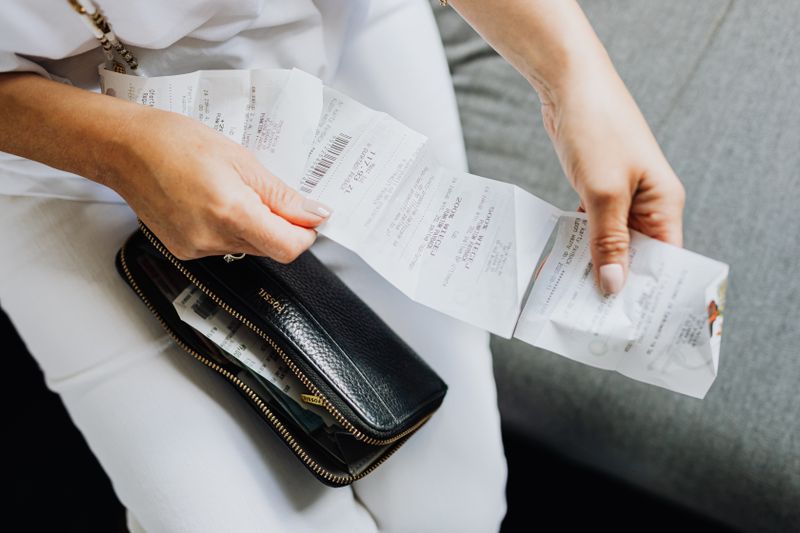
For most everyday situations, write to the seller referring to the goods, the fault and the remedy sought, without citing statutes you have not verified. Keep the receipt, the order confirmation and any correspondence, since proof of purchase is the practical gateway to everything. Where the seller refuses, national consumer bodies and ombudsman schemes exist in most countries for exactly this.
The takeaway
Work out which promise you are relying on before you decide who to write to. General explanation only; this is not legal advice.
Get it in writing, keep it dated, and file it where you will find it again.
Questions readers ask
If the shop has closed down, do I lose everything?
Your contractual rights were against that seller, so their disappearance is a real practical problem. Manufacturer guarantees, payment provider protections and insolvency procedures are the usual alternative routes, and they vary by country.
Does paying by card change anything?
In some jurisdictions card payments carry additional protections against the provider, and chargeback schemes exist separately from law. Both the legal protection and the scheme rules differ, so check what applies to your card and country.
Also by Bela Choksi
- Why a Signature Matters Less Than Most People AssumeContracts & Agreements
- The Entire Agreement Clause and the Promises It Quietly DeletesContracts & Agreements
- Force Majeure Is Not a Word for Bad LuckContracts & Agreements
- Reading a Termination Clause Before You Need ItContracts & Agreements